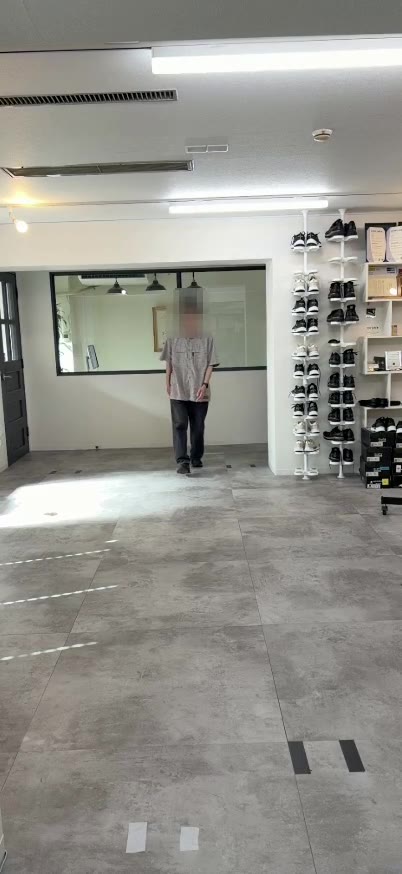
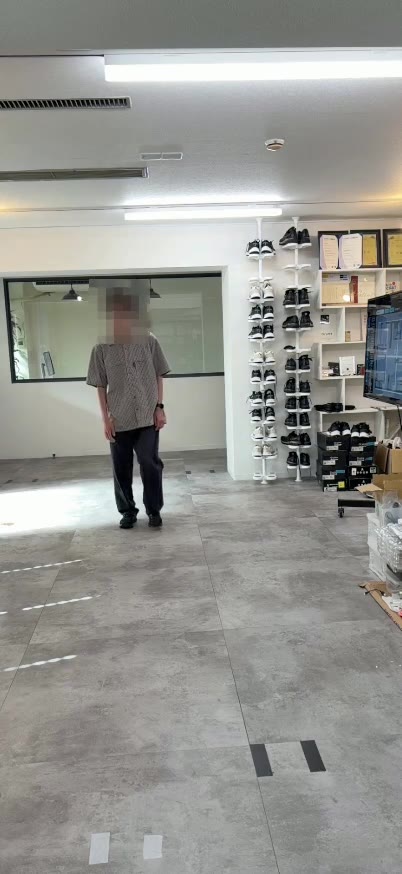
01 · Normal · 13.2 s
Normal walking (5 m)
The baseline. Heel strike, then a push-off that lifts the heel well.
ORPHE INSOLE sample data
Normal walking, 8 simulated pathological gaits and treadmill running at 3 speeds. See the acceleration, angular velocity and plantar pressure of both insoles on the same clock as the video. CSV, ARKit skeleton and video can be downloaded all at once or per trial.
Please read the terms of use before downloading. The data may not be redistributed.
Trials
Walking trials are about 5 m straight toward the camera; running is on a treadmill. Each trial starts with a two-footed jump. The pathological gaits are simulated by one healthy adult, and unilateral gaits use the left foot as the affected side.
The baseline for comparing the other trials.
Both feet use the same movement. Short-stepping and freezing are gait disorders seen in conditions such as Parkinson's disease.
Gaits with related causes sit side by side. Circumduction and steppage gaits are swing impairments from hemiplegia or foot drop; Trendelenburg and Duchenne gaits come from weak hip abductors.
6 / 9 / 12 km/h. Stride time stays almost constant while stride length, impact and push-off grow.
The baseline. Heel strike, then a push-off that lifts the heel well.
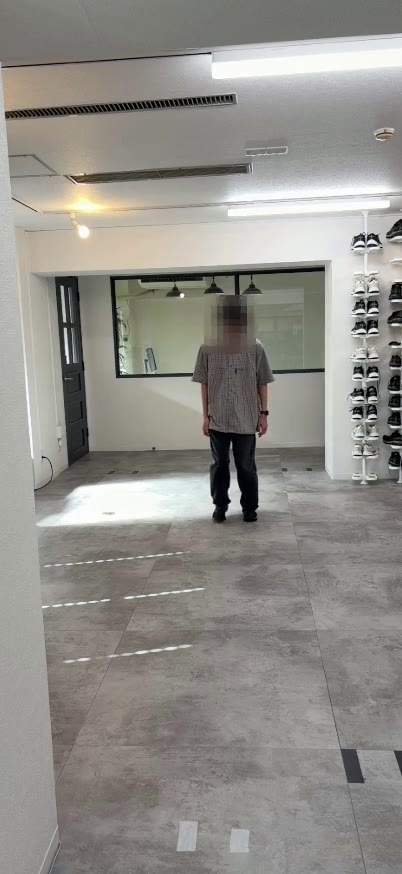
Strides about a quarter of normal length. The heel does not lift at push-off — close to shuffling.
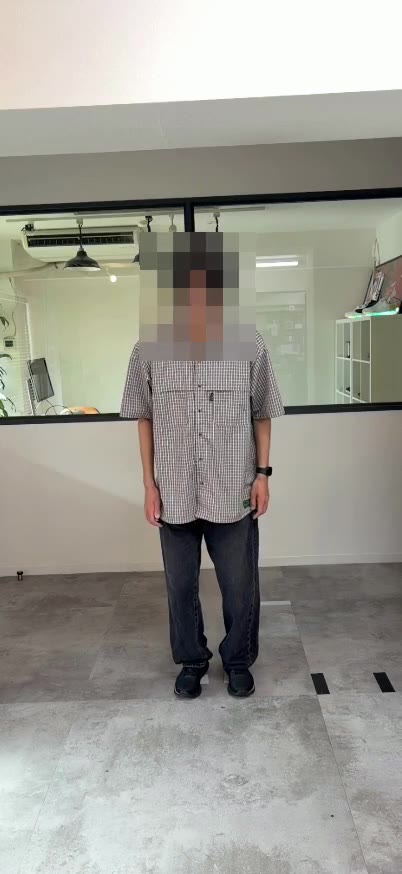
About 4 s of freezing at gait initiation, stepping in place before walking off.
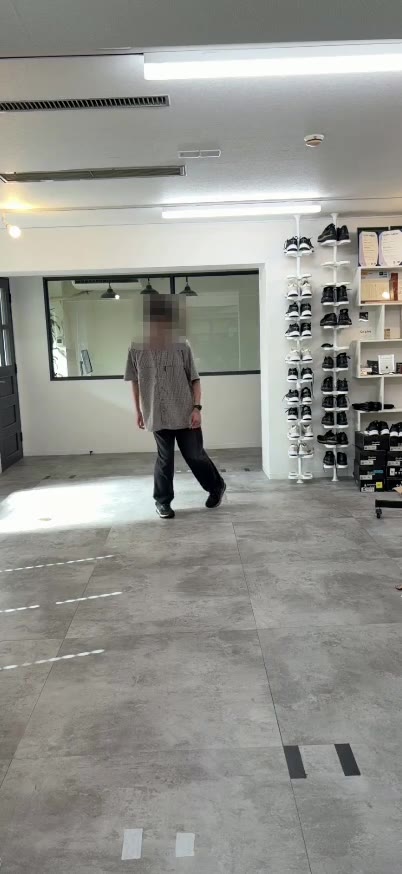
Both feet swing out sideways and land toe-first.
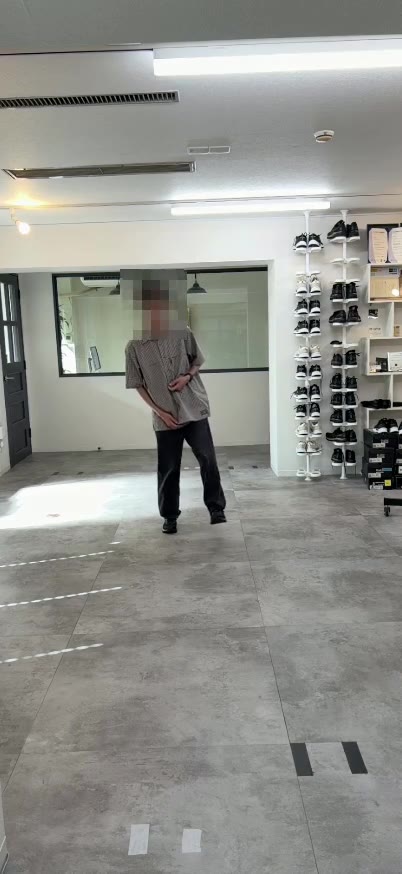
The affected leg swings outward in an arc. Swing width 26 cm.
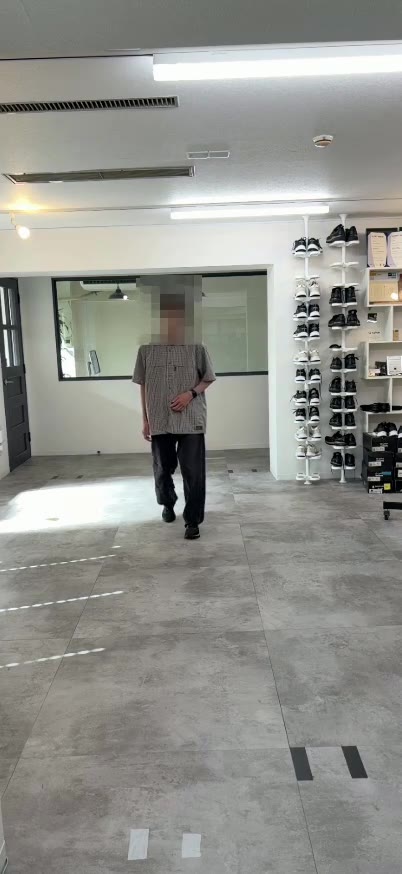
The toes stay dropped and the forefoot lands first (strike angle +18°).
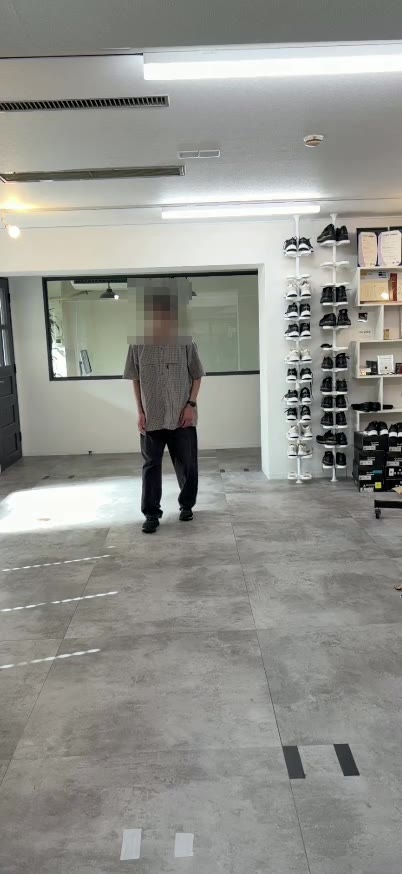
Less time with weight on the painful, affected side.
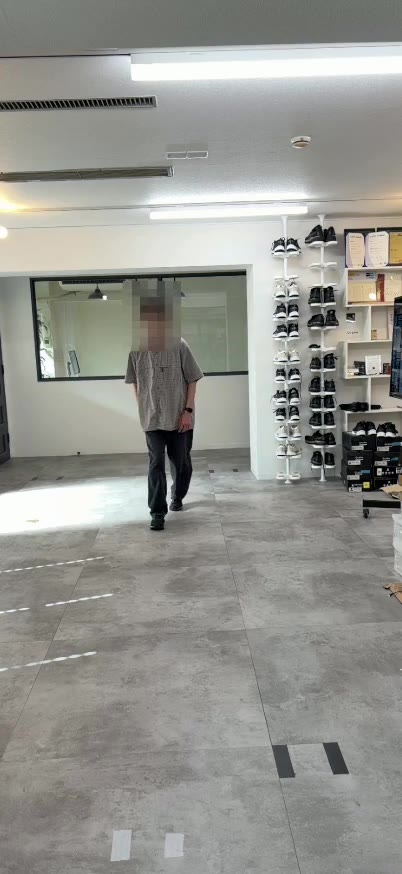
The affected foot is supported on its lateral edge. Little left–right timing difference.
Unlike the other unilateral gaits, stance is longer on the affected side.
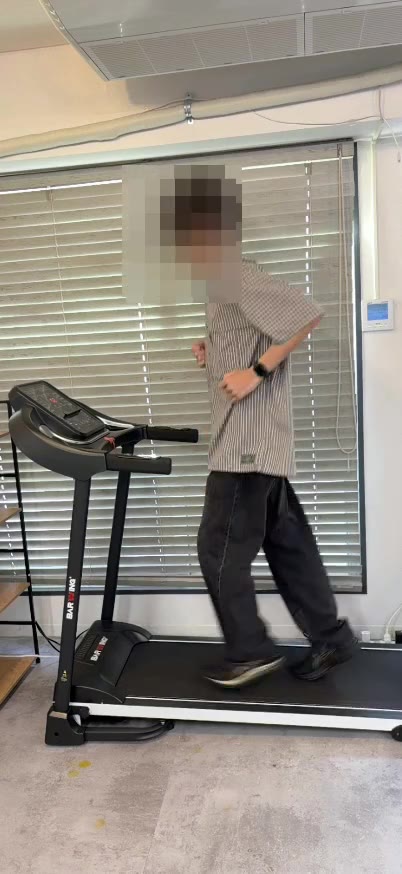
Stance 36–39%, stride length 1.1 m.
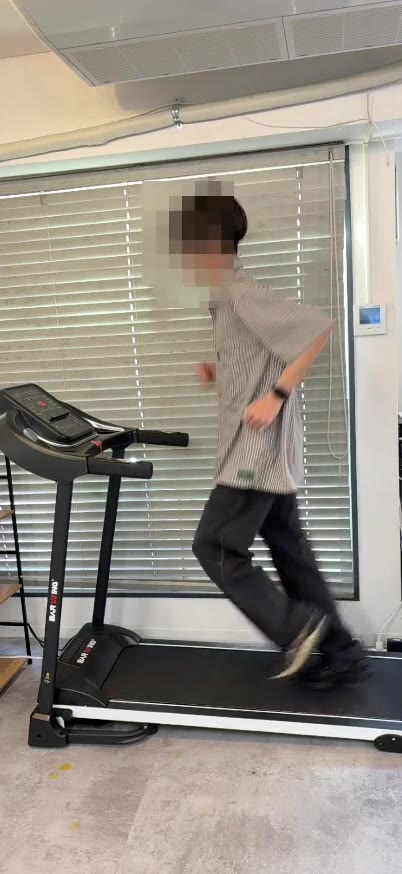
Stance 33–34%, stride length 1.6 m.
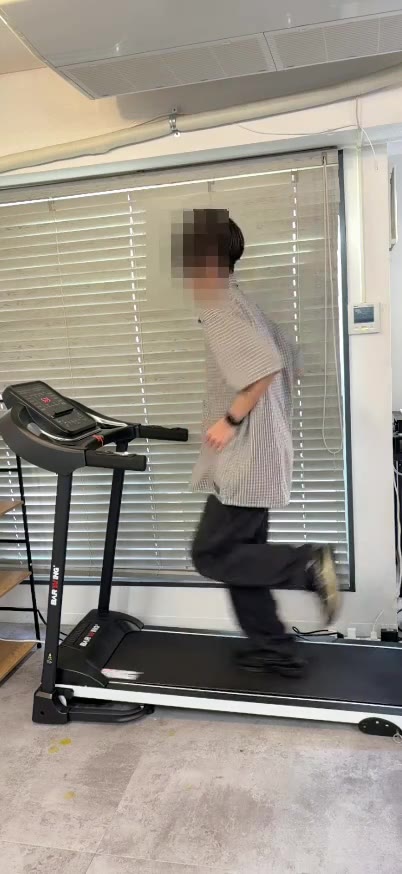
Stance 30–31%, stride length 2.1 m.
Viewer
Play, seek or click the charts and the video and waveforms move together. t = 0 is the left-foot jump landing; the right foot and the video are corrected with offsets found from the jump.
Space: play / pause · ← →: step one frame · click or drag a chart to seek
Dataset
Each ZIP has one folder per trial with sensor values, the app's gait analysis, the ARKit skeleton and the video. The same description is included as README.md.
| File | Content |
|---|---|
sensor-left.csvsensor-right.csv |
Sensor values. timestamp [s, UNIX time], accX/Y/Z [G], gyroX/Y/Z [dps], quatW/X/Y/Z, press1–press6 [N] |
gait_analysis_left_detailed.csvgait_analysis_right_detailed.csv |
Per-stride gait metrics computed by the app |
landmarks.json |
ARKit skeleton (3D joint positions from the camera origin [m], about 30 fps) |
video.mp4poster.jpg |
Video and thumbnail (faces mosaicked) |
trial.jsontrials.csv |
Trial name and synchronization values. trials.csv puts all trials in one table (full archive only) |
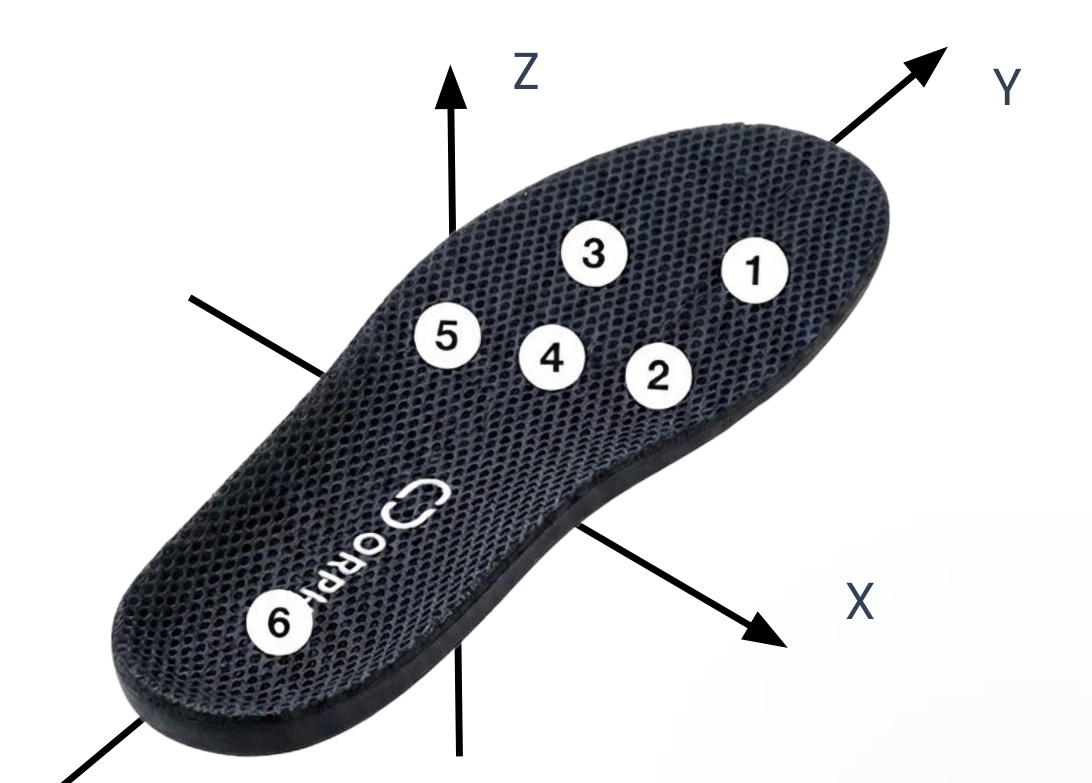
Right-handed and Z-up, the same for both feet. Y points toward the toes, X to the right of the toe direction, Z up (accZ ≈ +1 G at rest). +X is medial on the left foot and lateral on the right foot, so flip the sign of accX, gyroY and gyroZ on the left foot to align the feet anatomically.
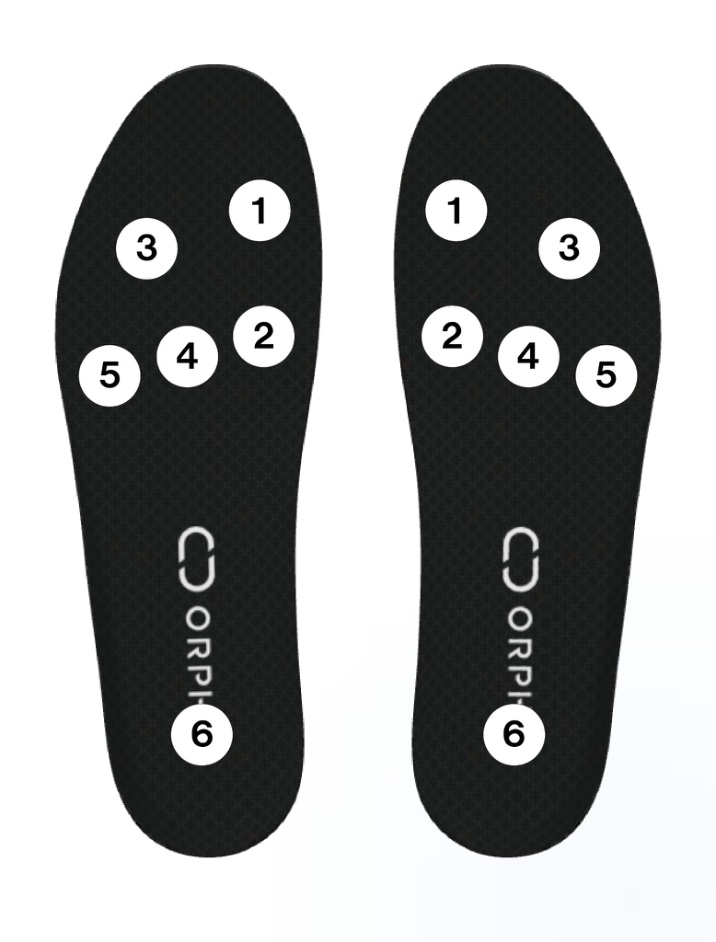
1 toe (medial), 2 ball (medial), 3 toe (lateral), 4 midfoot (center), 5 midfoot (lateral), 6 heel. Values below about 9 N read as 0, and the total during quiet standing is only 10–20 N. Read it as load distribution and timing, not absolute load. Sensor 4 barely responds in this data.
The insoles and the video run on separate clocks. The right foot is corrected by cross-correlating the jump landing impact (offsets 19–276 ms, about ±10 ms), and the video by the difference to the landing found from the vertical motion of the ARKit pelvis joint (0.27–0.36 s, about ±1 frame).
t_left  = timestamp − tZeroUnix
t_right = timestamp − rightOffsetMs / 1000 − tZeroUnix
video   = t + (tZeroUnix − videoStartUnix) + videoOffsetS
App gait metrics
Medians over the steady part of gait_analysis_*_detailed.csv (left / right). Click a row to open that trial in the viewer.
Freezing of gait uses only the 1–2 strides after the freeze ended (reference only). A negative strike angle is a heel strike and a positive one a toe strike. The event-based columns are initialContactAccelerationMax.z, toeOffAngularVelocityMin.x and swingPhaseStrideVelocityMax.y.
Terms of use
The data is copyright ORPHE Inc. The same terms are included in README.md in each ZIP.
Please note
These are not clinically representative values and cannot be used for diagnosis. landingForce in the app output is 0 on every row (not computed), and the sign convention of footAngle is still being confirmed.